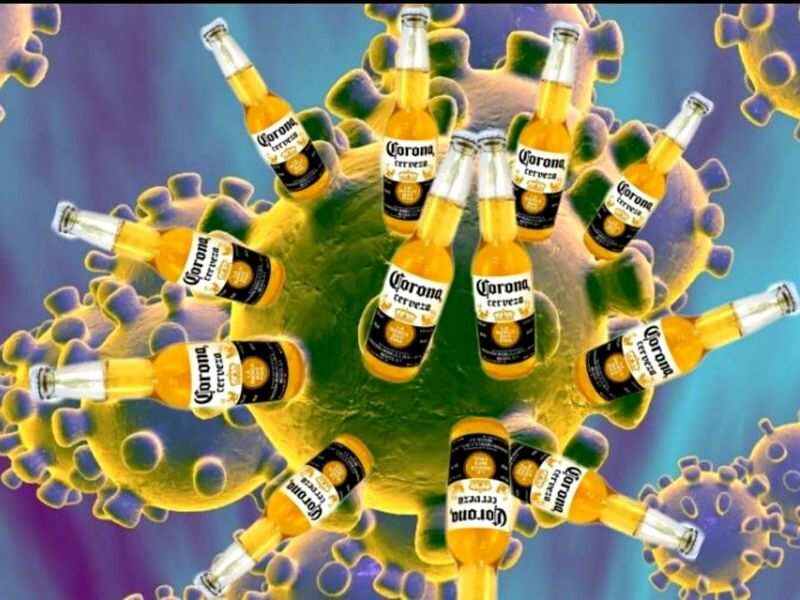
As the year approaches into an anti-climatic ending, we witnessed how an invisible enemy brought the whole world to its knees before our very eyes. Who would have thought that something that is named like a beer brand, “corona” would plunge most countries on Earth into a recession. The COVID-19 virus has truly ravaged the world in epic proportions, rendering the world’s economy down to a halt, leaving millions of people jobless and causing thousands of untimely deaths.
Sadly, as a teenage Filipino, my country wasn’t spared from this worldwide travesty. Going back from the first suspected case in the Philippines back in early January, then all the way until today wherein the country is still handicapped by the virus, especially on an economical level. Generally, according to the Asian Development Bank, the Gross Domestic Product (GDP) of the nation is continuing to go down significantly this 2020. (fortunately, it’s expected to bounce back the following year and hopefully so)
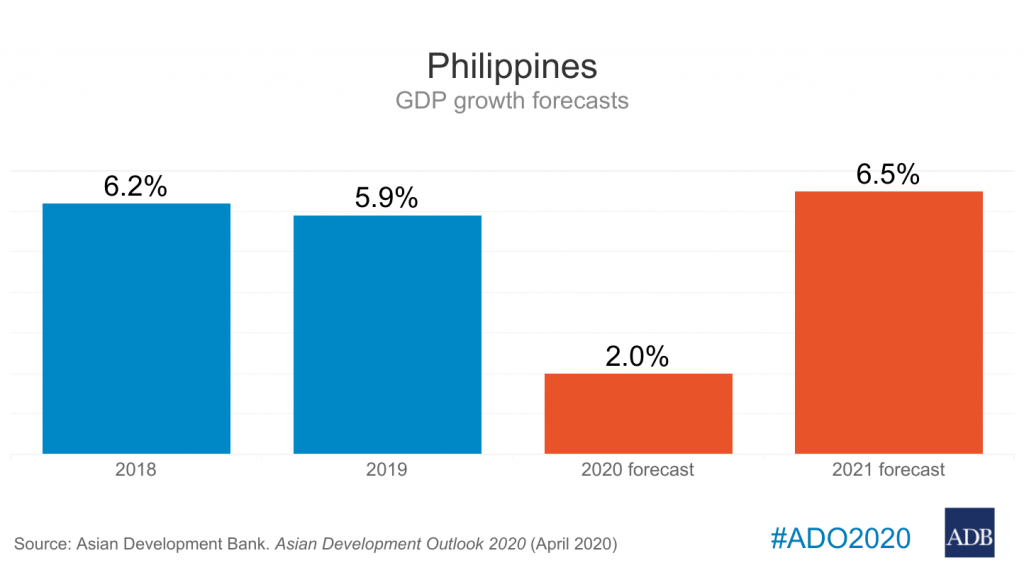
Philippine GDP forecast – image retrieved from: https://www.adb.org/news/philippine-gdp-growth-slide-2020-due-covid-19-strong-rebound-seen-2021-adb 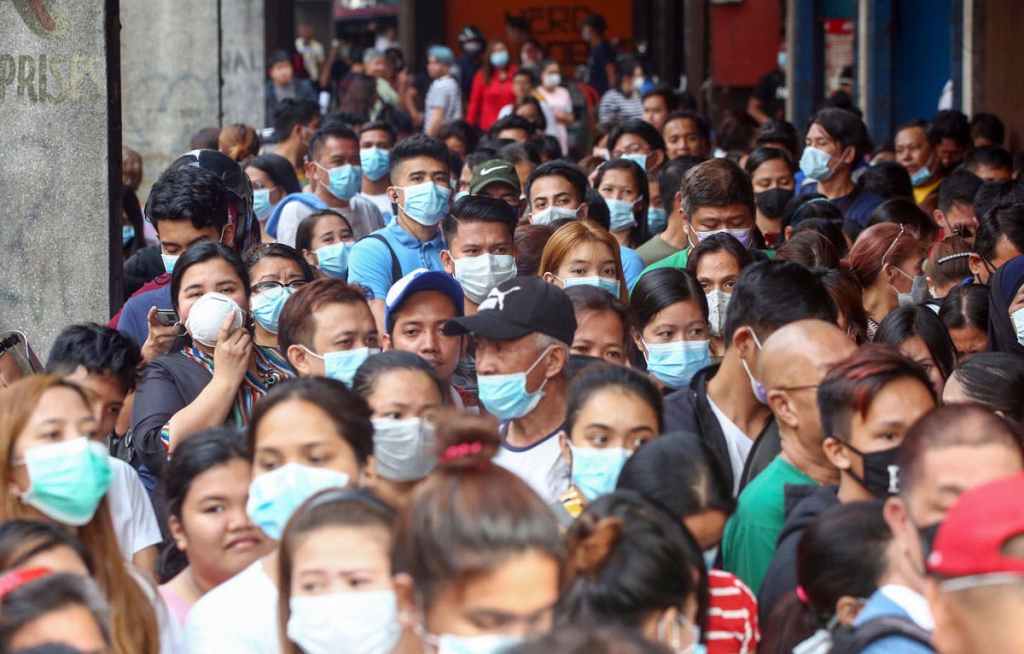
Filipino COVID-19 struggles – image retrieved from: https://onenews.ph/covid-19-outbreak-expected-to-impact-on-the-local-economy-doh-bracing-for-local-transmission
The country’s social distancing protocols have made it so that only the economy’s “essentials” like the medical workers and service workers can go back to fulfill their responsibilities, while the others are left displaced or stuck in their homes. In addition, if you were under the age of 21 (now it has been adjusted to under the age of 15, as of October 16, 2020) you are restricted to go outside of your house unless there’s an emergency. In that case, it means that the majority of the healthy young people in the Philippines is nowhere to be found outside, in turn, they are robbed of the chance to interactively help in the community and dynamically grow into their careers.
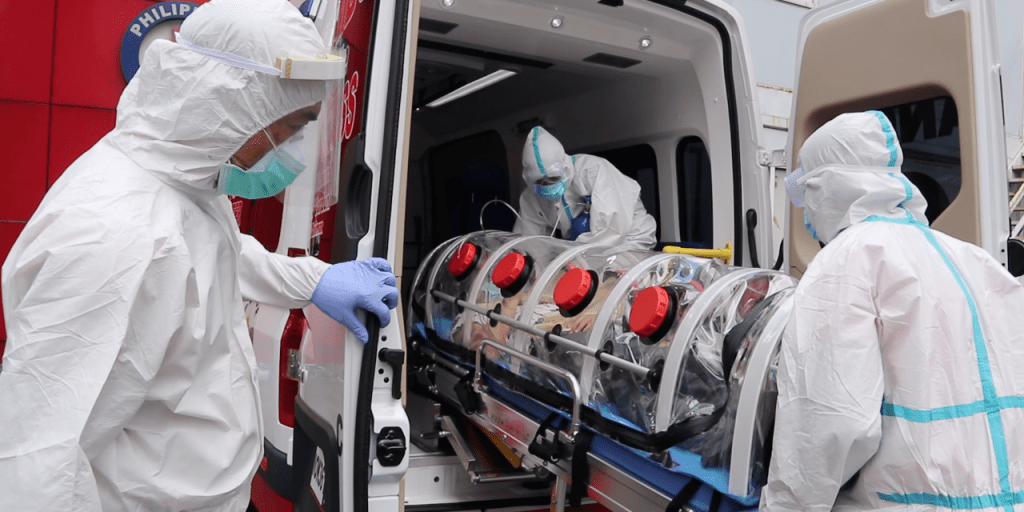
Medical frontliners on the job – image retrieved from: https://media.ifrc.org/ifrc/2020/06/02/pictures-covid-19-supporting-healthcare-philippines/ 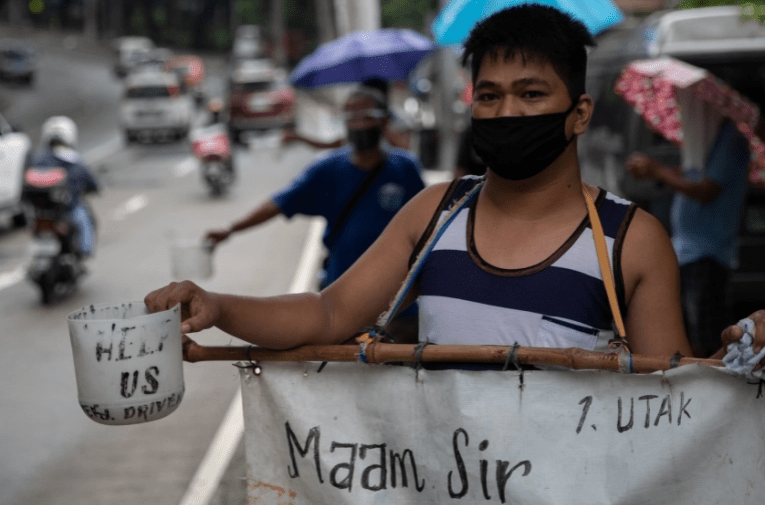
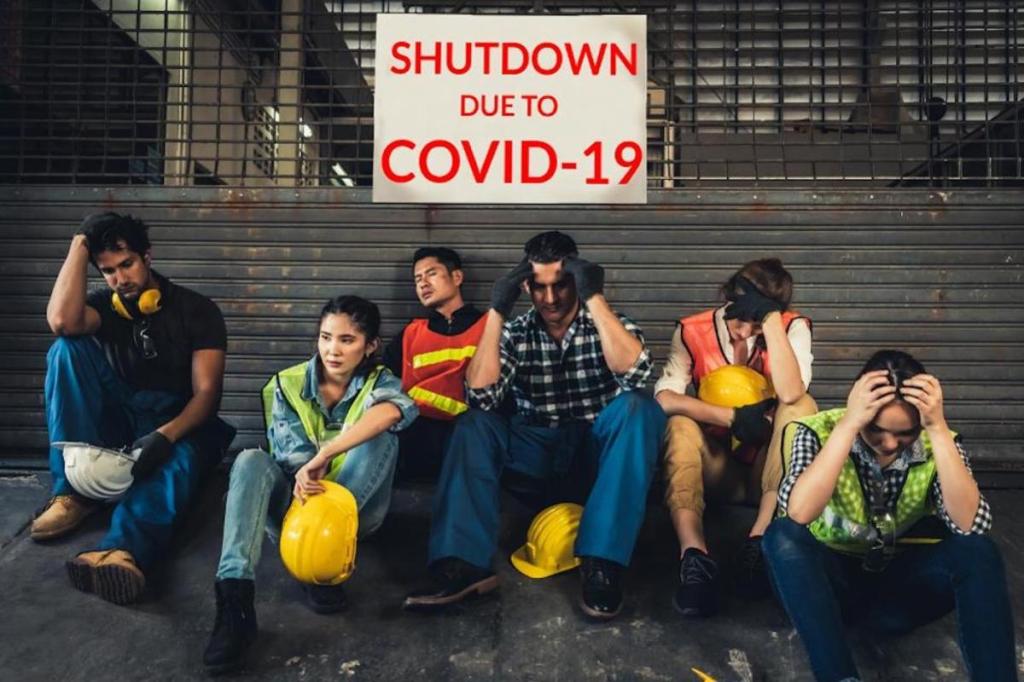
Displaced Filipinos in the pandemic – image retrieved from: https://www.aljazeera.com/economy/2020/8/6/philippine-economy-posts-its-biggest-ever-quarterly-plunge 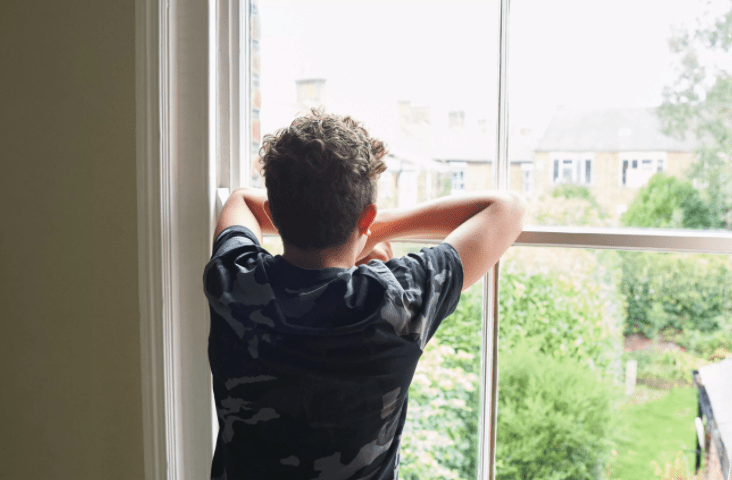
Restricted Youth during the quarantine period – image retrieved from: https://www.cnet.com/how-to/what-to-do-during-quarantine-12-fun-ideas-to-keep-you-busy-at-home-this-summer/
As much as it’s the best interest of the government to improve the situation of the nation through these protocols, I believe that young and healthy teenagers like myself and many more out there can do more than just being idle at home. We feel that we would be a significant help right away if we were just allowed outside of our homes more and fulfill our duties such as having meaningful but safe interactions in the school and the community. Though at the end of the day, we respect what the elders and leaders of this country have in plan for everyone and we are on board in going back to the normal way of life.

But yet again, this doesn’t mean that the youth don’t have their own set of struggles during the pandemic nor don’t have the adaptability to continue to contribute despite the restrictions.
The Filipino youth were no exception in terms of their job security as according to the Philippine Statistics Authority, about 1.7 million Filipinos aged 15 to 24 were without work back in July 2020. There was also a country’s worst youth jobless rate of 32.1% in the National Capital Region that accounts for more than third of the economy. The companies prioritizing more seasoned workers, as well as the quarantine age restriction playing huge factors in the unemployment.
The COVID-19 pandemic also forced the suspension of on-site education for the rest of the 2019-2020 school year. What started as a week-long suspension starting on March 10 until March 14, became a halt of the school year altogether when it became apparent that the virus wasn’t going away anytime soon. This prompted the Philippine’s Department of Education (DepEd) to devise a plan to continue the nation’s education for the upcoming school year, in which they settled on the “blended learning” system, a combination of online classes and modular learning. This received a lot of backlash from the Filipino masses as they feel like the country isn’t ready for this set-up and rightfully so, because even according to Deped’s very own survey, out of the 700,000 teachers that answered it, 13% of them don’t have a laptop or computer for teaching. Then, half of those who have gadgets, only less than 50% of them have a stable internet connection. Furthermore, according to the Senate President Pro-Tempore Ralph Recto, the estimated cost of all printed modules would be 93.6 billion pesos, which is 35 billion pesos short of the DepEd budget. All of which are factors that greatly hinder the effectiveness of the new blended learning system for the Filipino youth.
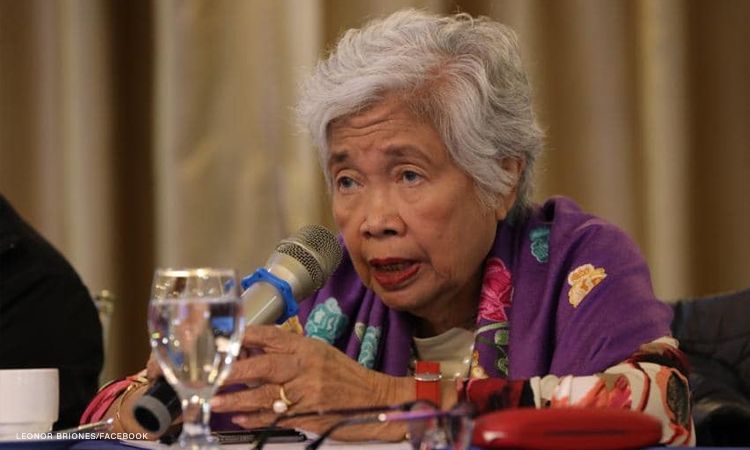
DepEd Secretary Leonor Briones – image retrieved from: https://www.cnnphilippines.com/news/2020/4/9/DepEd-secretary-Briones-tests-positive-COVID-19-.html 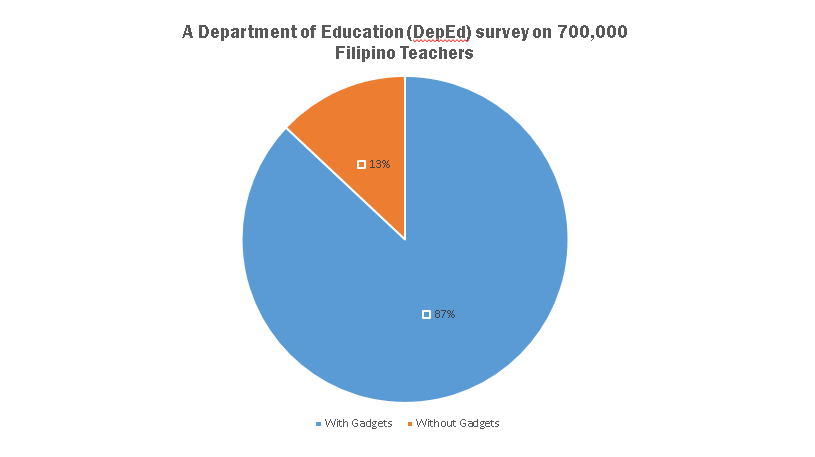
Deped Survey on 700,000 teachers in the Philippines – data retrieved from: https://news.abs-cbn.com/news/06/16/20/thousands-of-teachers-lack-gadgets-internet-to-cope-with-pandemic-deped 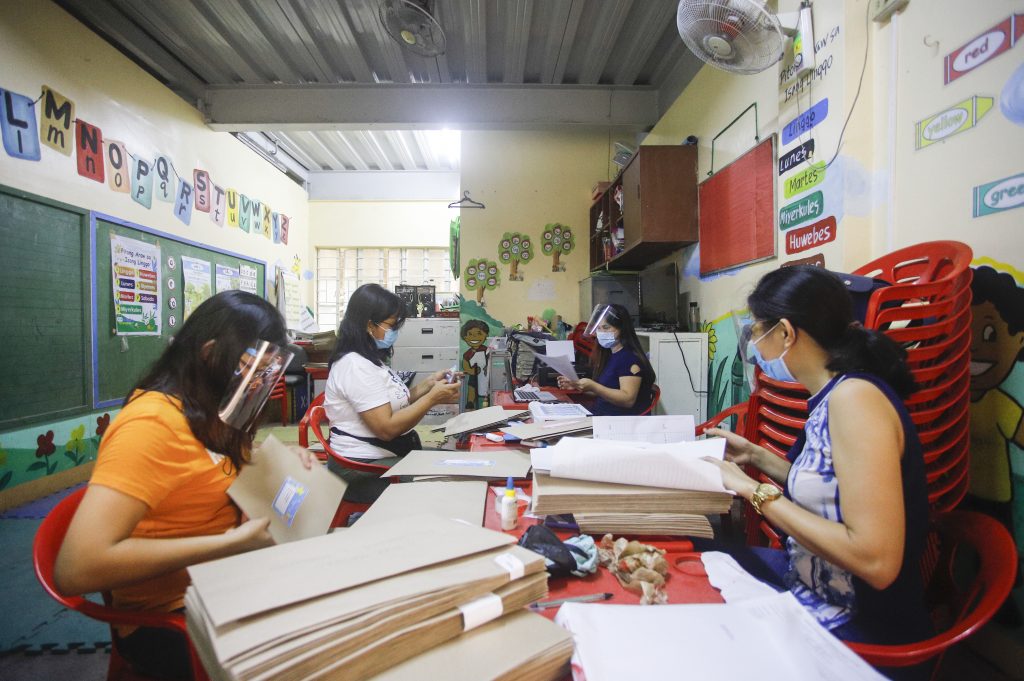
Filipino Teachers struglling from Blended Learning Requirements – image retrieved from: https://mb.com.ph/2020/10/04/private-school-teachers-share-their-experiences-in-blended-learning/
The pressure and changing times of the pandemic that brought isolationism and stressfulness have made the youth more vulnerable to mental illnesses. For example, as reported by the perception survey of the, “Through Her Lens: The Impact of COVID-19 on Filipino Girls and Young Women” program on 1,203 girls from ages 13 to 24, majority of the girls reported that the pandemic has negatively affected their mental and emotional capacity. They worry of not just catching the virus but also their families not having a secured future due to the possible chances.
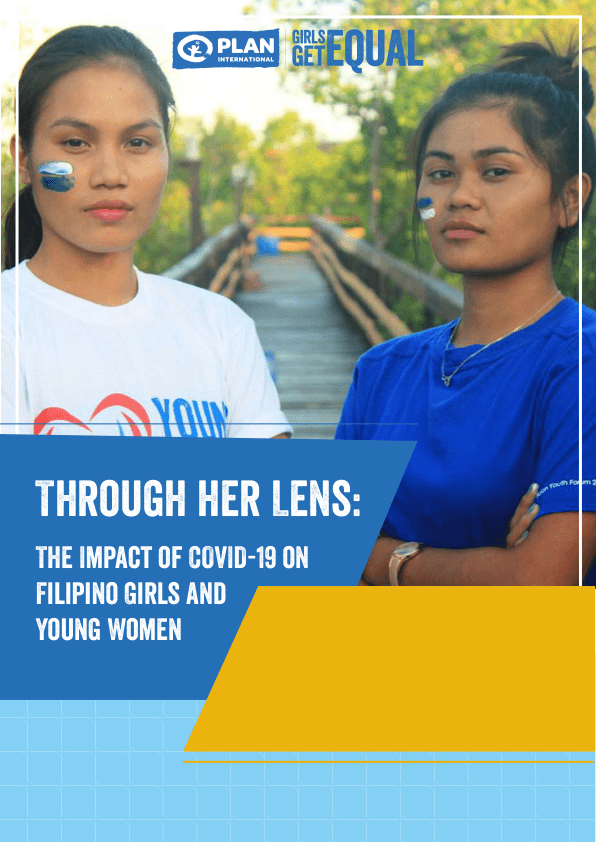
The “THROUGH HER LENS” program – image retrieved from: https://reliefweb.int/report/philippines/through-her-lens-impact-covid-19-filipino-girls-and-young-women
Since the Filipino youth have been rendered idle inside their homes. There were no other ways to get their voices heard but through the power of social media. The young Filipinos would always take their chance to express their stances on different issues. Due to their activeness, topics like, “Mass testing now PH”, “Academic Freeze”, and “Oust Duterte” have trended across all social media platforms multiple times, which is a testament of their outspokenness. Additionally, they have also been widely critical of other governmental problems like the Manila Bay renovation and the Deped’s “Ham and Cheese” controversy.
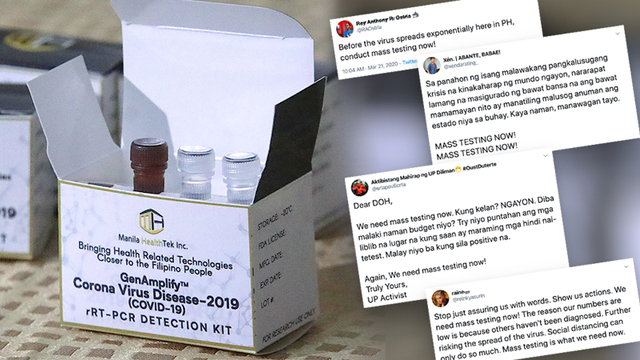
Filipino youth urging mass testing – image retrieved from: https://r3.rappler.com/nation/255377-netizens-urge-doh-conduct-mass-testing-coronavirus 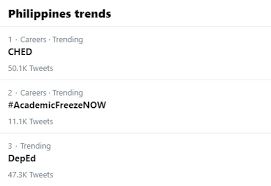
Students pleading for the pausing of the school year – image retrieved from: https://interaksyon.philstar.com/trends-spotlights/2020/08/14/175012/calls-for-academic-freeze-dominate-twitter-after-deped-announced-moving-of-classes-to-october/ 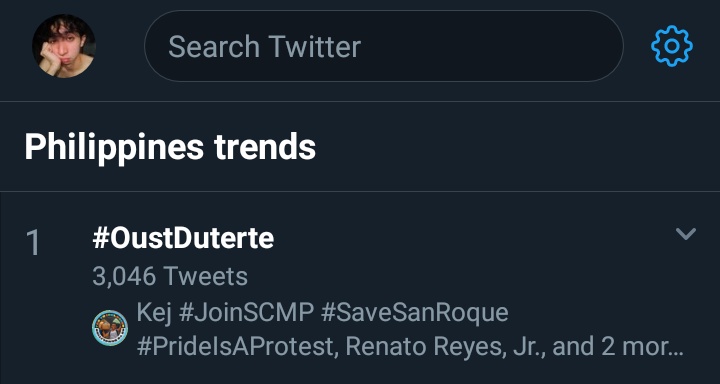
The Youth’s disappointment on the president – image retrieved from: https://twitter.com/pmjamilla/status/1223142381739839488
Despite the ongoing issues they have today, the Filipino youth continue to stay supportive. The interaction in social media and in online games like “Among Us” have become an avenue to maintain social relationships. Also, when times get tough like the recent Typhoon Ulysees, the young netizens didn’t miss a beat in sharing factual information and chipping in donations for those who were affected. Besides that, youth-led organizations like “Ideal Positive Alumni Community” helps in acknowledging the good deeds of young Filipinos during the pandemic.

The Ideal Positive Alumni Community – image retrieved from: https://web.facebook.com/ideaspositivealumni 
Student Communities helping in the Typhoon Ulysees cause – image retrieved from: https://metro.style/culture/spotlight/donation-and-relief-for-ulysses-ph/28108
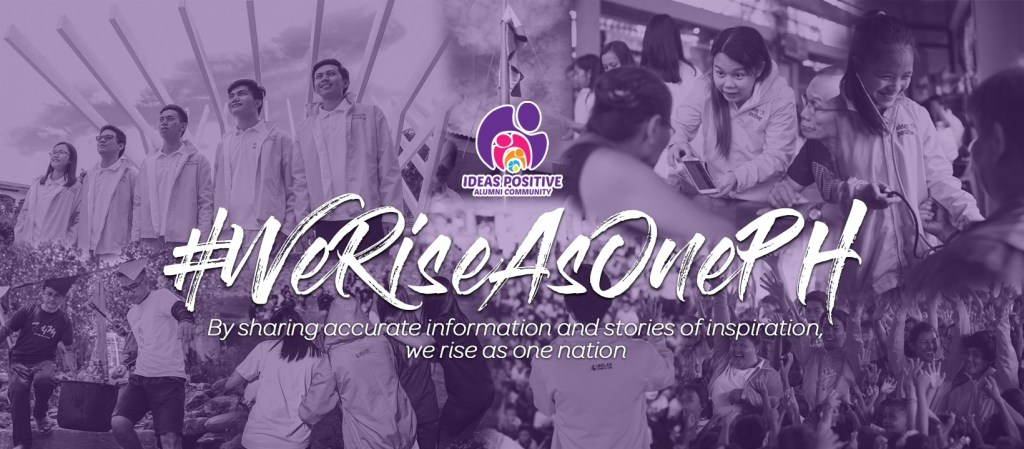
Some youngsters have dedicated their time fact-checking COVID-19 information for the benefit of the public, one example of this is the, “#WeRiseAsOnePh” movement.
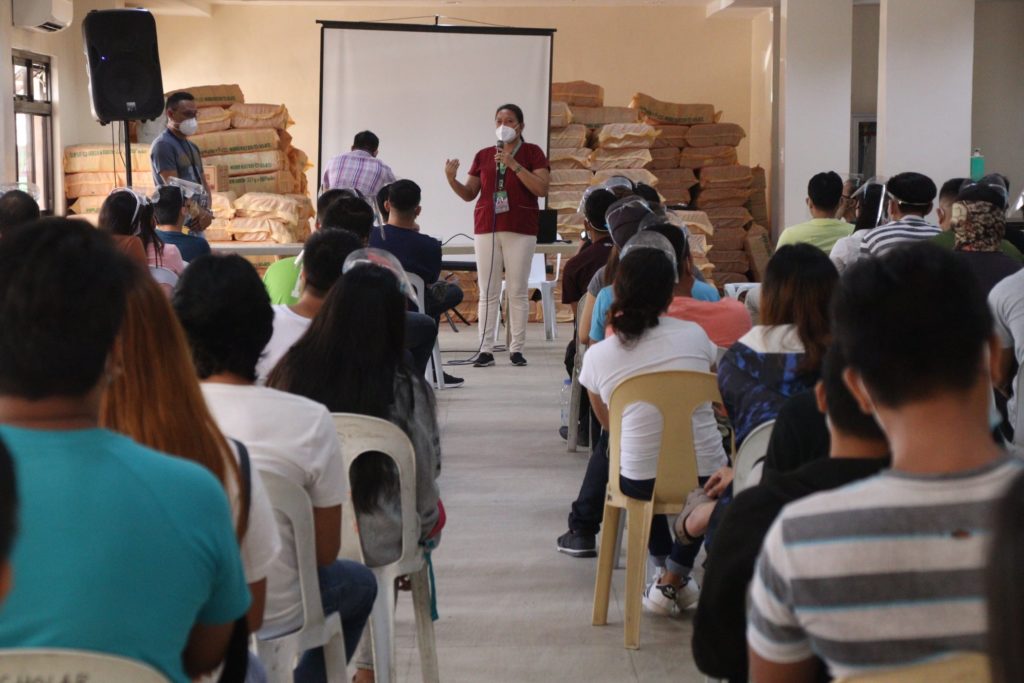
Others have applied to become contact tracers of their respective cities. In 6 districts of Quezon City, there were reported 140 young Filipinos handling contract tracing duties according to Manila Bulletin in October 2020. Moreover, during the same month, Valenzuela City recruited an additional 226 youth contact tracers to help the fight and as well Cebu city numbering up to 100 against the virus.
Several have opened their very own tutorial and commission services to gain extra profit, as well to help other students in need of academic support. Online businesses have also become popular as more youngsters started to open up their own ventures.

Young Filipinos offering tutorial services – image retrieved from: https://web.facebook.com/upgeosoc 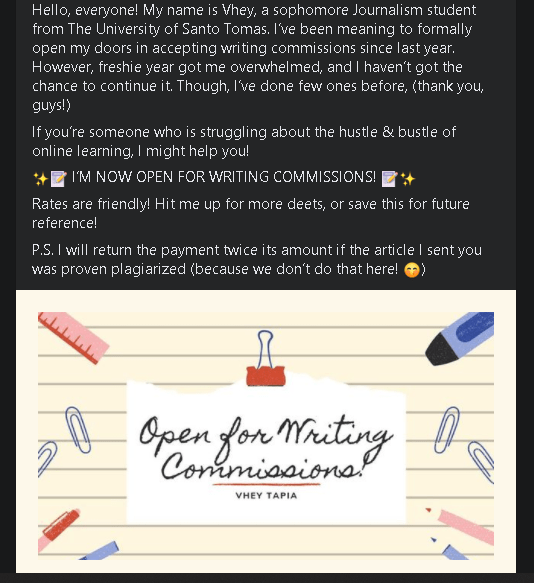
Filipino students offering commissioned services – image retrieved from: https://web.facebook.com/vhey.tapia
Generally, simple yet important actions like following medical guidelines, social distancing policies, strengthening of relationships with friends and families, as well as being critical of daily information are here to stay for the youth.
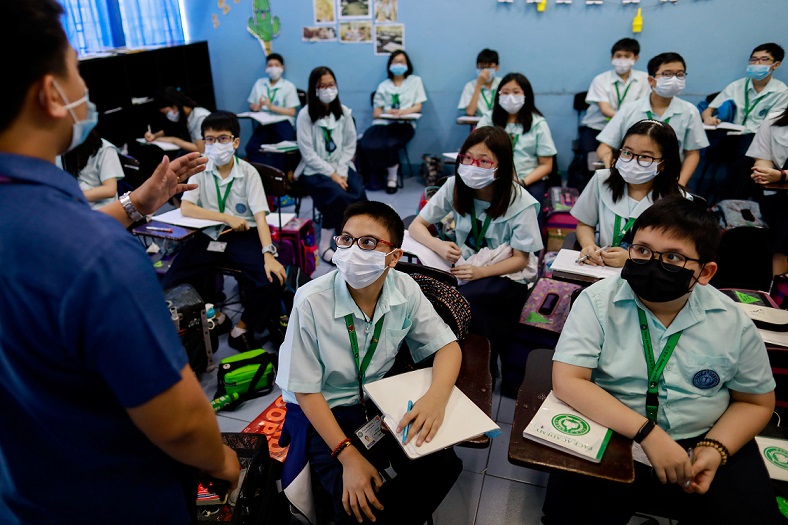
To say the least, the COVID-19 pandemic has terribly shook the world down to its core. My beloved country, the Philippines, despite the prolonged lockdowns, is still ravaged by the COVID-19 virus. For us, the filipino youth, that instead of having the time of our lives during our younger years, we are instead left to face an arduous task of fighting an invisible enemy by merely isolating ourselves from the rest of the society and hoping that it would all go away.
But don’t count us out just yet because despite the restrictions, various socio-economic, and just the overall uncertainties, we are still able to adapt in these trying times.
We are still able to maintain important relationships on our lives through social media, offer our time and resources for those in who are in need, and a whole lot more of creative actions we can do that add up to make a significant difference. Yet, most importantly, we follow the simple social distancing protocols and medical advices that keeps everyone safe because at the end of the day, it’s not about us, the Filipino youth, it’s about the Filipino people. And sooner or later, together, we will get back to our normal way of life.
References used for the information and data:
- ABS-CBN. (2020, June 16). Thousands of teachers lack gadgets, internet to cope with pandemic: DepEd. ABS-CBN News. https://news.abs-cbn.com/news/06/16/20/thousands-of-teachers-lack-gadgets-internet-to-cope-with-pandemic-deped
- Asian Development Bank. (2020, April 3). Philippine GDP Growth to Slide in 2020 Due to COVID-19, Strong Rebound Seen in 2021 — ADB. Adb.Org. https://www.adb.org/news/philippine-gdp-growth-slide-2020-due-covid-19-strong-rebound-seen-2021-adb#:~:text=In%20its%20annual%20flagship%20economic,(COVID%2D19)%20in%20the
- Chavez, C. (2020, October 5). FOOT ‘SOLDIERS’ OF THE PANDEMIC: What contact tracers do to help stop the spread of COVID. Manila Bulletin. https://mb.com.ph/2020/10/05/foot-soldiers-of-the-pandemic-what-contact-tracers-do-to-help-stop-the-spread-of-covid/
- Department of Education (Deped) of the Philippines. (2020a, March 9). Statement on suspension of classes in NCR. Department of Education. https://www.deped.gov.ph/2020/03/10/statement-on-suspension-of-classes-in-ncr/
- Department of Education (Deped) of the Philippines. (2020b, August 6). Official Statement on the Opening of Classes. Department of Education. https://www.deped.gov.ph/2020/08/14/official-statement-on-the-opening-of-classes/
- Ideas Positive Alumni Community. (n.d.). Youth leaders spread hope amidst the COVID-19 crisis by sharing right information and stories of inspiration. Ideaspositive. Retrieved November 27, 2020, from https://ideaspositive.org/youth-leaders-spread-hope-by-sharing-right-information-and-stories-of-inspiration-amidst-the-covid-19-pandemic/
- Jiao, C. (2020, September 4). Filipino Youth Bears Brunt of Philippines’ Unemployment Pains. Bloomberg. https://www.bloombergquint.com/onweb/filipino-youth-bears-brunt-of-philippines-unemployment-pains
- Letigio, D. D. (2020, November 28). Cebu City contact tracers assured: Salaries to be released by year’s end. INQUIRER.Net. https://cebudailynews.inquirer.net/352651/cebu-city-contact-tracers-assured-salaries-to-be-released-by-years-end
- Pedrajas, J. (2020, October 21). Valenzuela City gets 226 new contact tracers. Manila Bulletin. https://mb.com.ph/2020/10/21/valenzuela-city-gets-226-new-contact-tracers/
- Santos, A. (2020, October 6). In the Philippines, distance learning reveals the digital divide. Eu.Boell.Org. https://eu.boell.org/en/2020/10/06/philippines-distance-learning-reveals-digital-divide
- Through Her Lens. (2020, October 15). Through Her Lens: The Impact of COVID-19 on Filipino Girls and Young Women. Reliefweb. https://reliefweb.int/report/philippines/through-her-lens-impact-covid-19-filipino-girls-and-young-women


 Dame Woody

Insightful and inspiring. Let’s overcome this together!
LikeLiked by 1 person
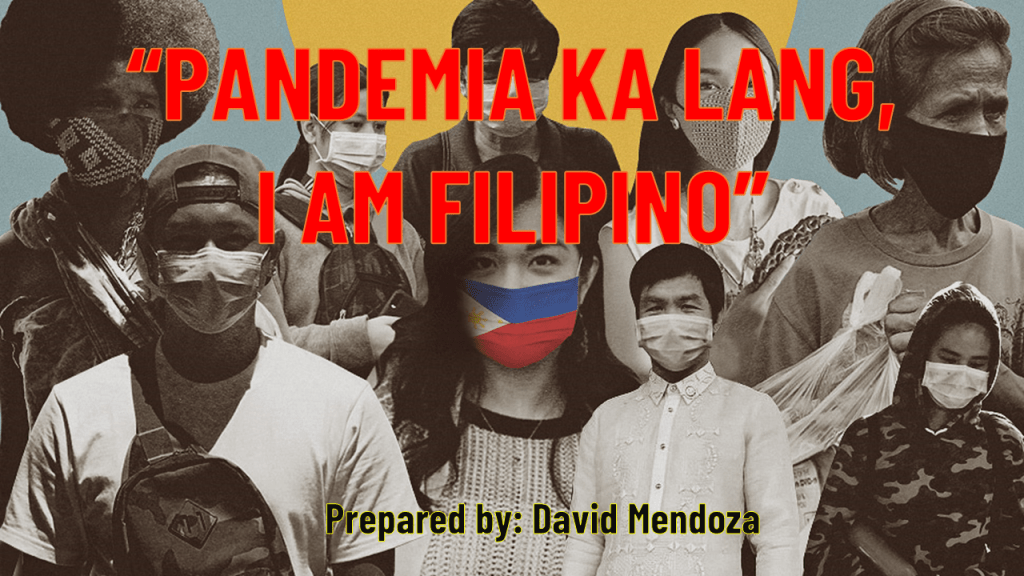
I felt inspired after reading through the article. Indeed, “Pandemia ka lang, I am a Filipino!”
LikeLiked by 1 person
It’s very informative especially for those who are not aware of the current situation in the Philippines.
LikeLiked by 1 person
Very informative post from youth perspective. I’ll share this to relative and friends.
LikeLiked by 1 person
Such an informative and insightful blog. Hope you’ll continue to inspire others!
LikeLiked by 1 person
this is so informative and i like how it was written. keep it up!
LikeLiked by 1 person
This article is very informative. Keep it up bro!
LikeLiked by 1 person
Thank you for sharing such a relevant and informative blog!! We can all get through this together!!
LikeLiked by 1 person
This article is very insightful. Very nice
LikeLiked by 1 person
Nice Drei! Worth reading. Keep it up!
LikeLiked by 1 person
Good read! Very educational and eye-opening
LikeLiked by 1 person